Your Essential Guide to Three-Wheeler Insurance: What You Need to Know
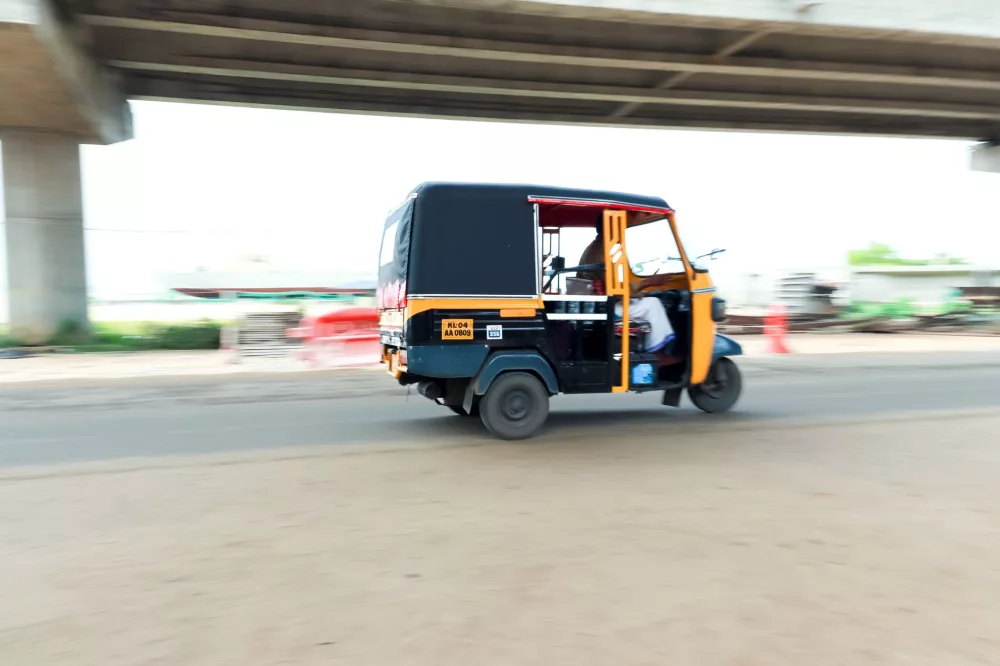
Alright, let's talk about three-wheeler insurance. You know, these vehicles are incredibly versatile, serving a whole bunch of purposes from zipping around for personal use to being the backbone of many small businesses and public transport systems. Whether you're riding a sleek trike, navigating city streets in an auto-rickshaw, or operating a cargo three-wheeler, one thing holds true: having the right insurance isn't just a good idea, it's often a legal requirement and, frankly, just plain smart. I mean, nobody wants to be caught off guard when something unexpected happens, right?
Why We Can't Skimp on Three-Wheeler Insurance
I get it, insurance can sometimes feel like another unavoidable expense. But with three-wheelers, it's especially critical. These vehicles, while offering fantastic maneuverability and efficiency, can also be a bit more vulnerable than their four-wheeled counterparts. Think about it: a sudden bump, an unforeseen accident, or even something as simple as a mechanical breakdown could leave you facing significant repair costs, medical bills, or even legal liabilities. That's where insurance really steps in to save our bacon. It's not just about covering your vehicle; it's about protecting your finances and, often, your livelihood.
The Types of Three-Wheeler Insurance We're Looking At
When you're trying to figure out which policy suits your three-wheeler best, you'll generally encounter two main types. Let me break them down for you:
- Third-Party Liability Insurance: This is the bare minimum, folks. In most places, it's a legal mandate. What it does is cover damages and injuries you might inflict on a third party (that's another person or their property) if you're involved in an accident. So, if you accidentally hit someone's car or injure a pedestrian, this policy helps cover their costs. It won't cover any damage to your own three-wheeler or your own injuries, though. It's essentially about fulfilling your legal obligation and protecting others.
- Comprehensive Insurance: Now, this is what I'd call the full package. A comprehensive policy includes everything that third-party liability covers, plus a whole lot more. It takes care of damages to your own three-wheeler from accidents, theft, fire, natural disasters (like floods or earthquakes), and even man-made calamities. Plus, it usually includes personal accident cover for the owner-driver. If you ask me, this is the one you want for true peace of mind. It just covers so many more scenarios.
What Makes Your Premium Tick?
Ever wonder why your friend's insurance might be cheaper or more expensive than yours, even for similar vehicles? Well, several factors go into calculating your three-wheeler insurance premium. It's not just a random number, I assure you.
- Vehicle Make and Model: Just like with cars, the specific make, model, and variant of your three-wheeler play a huge role. More expensive or high-performance models generally cost more to insure because their parts are pricier and repairs can be more complex.
- Age of the Vehicle: Newer vehicles typically have higher premiums because their market value is higher. As your three-wheeler gets older, its depreciated value means a slightly lower premium for comprehensive policies.
- Location, Location, Location: Where you primarily ride or park your three-wheeler matters. Areas with higher traffic density, crime rates, or accident statistics often result in higher premiums. Living in a bustling metro versus a quiet rural town makes a difference.
- Usage (Personal vs. Commercial): If you're using your three-wheeler for commercial purposes, like an auto-rickshaw or cargo carrier, your premium will likely be higher than if it's just for personal use. Commercial vehicles generally face more wear and tear, longer hours on the road, and thus a higher risk of incidents.
- Insured Declared Value (IDV): This is basically the market value of your three-wheeler, determined by the insurer. A higher IDV means better coverage in case of total loss or theft, but it also translates to a higher premium.
- Add-on Covers: Every extra layer of protection you choose will, of course, add to your premium. But honestly, some of these are absolutely worth it.
- Driving History: If you've got a clean record with no claims, you might be eligible for a No Claim Bonus (NCB), which can significantly reduce your premium.
Add-ons I Think Are Worth Considering
When you opt for comprehensive insurance, you've got the chance to customize it with add-ons. These can really bolster your protection, and some are just smart investments:
- Zero Depreciation Cover: This one's a lifesaver. Normally, when you make a claim, the insurer factors in depreciation of parts. With zero depreciation, you get the full cost of replacing parts without any deduction for wear and tear. It's like your vehicle is brand new for claim purposes!
- Roadside Assistance: Ever had a breakdown in the middle of nowhere? It's not fun. This add-on provides services like towing, minor repairs on the spot, flat tire assistance, and even fuel delivery. Super handy!
- Engine Protection Cover: Especially useful if you're in an area prone to flooding. It covers damage to the engine due to water ingress or lubricant leakage, which isn't typically included in standard comprehensive policies.
- Return to Invoice Cover: If your three-wheeler is stolen or becomes a total loss, this cover ensures you get the original invoice price, not just the IDV, which accounts for depreciation.
- Personal Accident Cover for Passengers: While comprehensive policies usually cover the owner-driver, this extends personal accident coverage to your passengers.
Picking the Right Policy: My Two Cents
Choosing the right three-wheeler insurance isn't just about finding the cheapest option. It's about finding the best value – the right balance between coverage and cost. Here's what I'd suggest you do:
- Assess Your Needs: Is your three-wheeler for personal joy rides or for your daily income? How old is it? What's your budget?
- Compare Policies Online: Don't just go with the first quote you get. Hop onto various insurance aggregator websites. They make it so easy to compare features, benefits, and premiums from different insurers side-by-side.
- Read the Fine Print: Seriously, take the time to understand the terms and conditions, exclusions, and claim settlement ratio of the insurer. What looks good on the surface might have some hidden caveats.
- Check for Customer Service: A great policy is only as good as the customer service behind it. You want an insurer that's responsive and helpful when you actually need to make a claim.
The Claims Process: What to Expect
Nobody wants to make a claim, but if you have to, knowing the process can make it a lot less stressful. Here’s a general idea of how it usually goes down:
- Inform Your Insurer: The first thing you should do is notify your insurance company immediately after the incident. Don't wait!
- File an FIR (if necessary): For theft or major accidents, filing a First Information Report (FIR) with the police is crucial.
- Document Everything: Take photos or videos of the damage, the accident scene, and any involved parties. Collect contact details of witnesses, too.
- Submit Required Documents: You'll need documents like your policy paper, driving license, vehicle registration certificate, FIR (if applicable), and repair estimates.
- Vehicle Inspection: The insurer will send a surveyor to assess the damage to your three-wheeler.
- Claim Settlement: Once everything is verified, your claim will be processed. You can usually choose between a cashless facility at network garages or reimbursement after getting repairs done elsewhere.
A Few Tips to Keep Your Premiums Down
Who doesn't love saving a bit of cash? Here are some ways you might be able to reduce your three-wheeler insurance premium without compromising on essential coverage:
- Maintain a Clean Driving Record: This is a big one. A no-claim bonus can make a significant difference over time.
- Install Anti-Theft Devices: Many insurers offer discounts if your three-wheeler has approved anti-theft devices.
- Opt for a Higher Deductible: If you're comfortable paying a larger amount out of pocket during a claim, you can choose a higher voluntary deductible, which will lower your premium. Just make sure it's an amount you can comfortably afford.
- Renew on Time: Don't let your policy lapse! Renewing on time helps you retain your NCB and avoids potential penalties or having to buy a new policy at a potentially higher rate.
- Be Mindful of Add-ons: While I recommend some add-ons, only pick the ones you truly need. Don't just pile them on for the sake of it.
Ultimately, getting the right three-wheeler insurance is about being a responsible owner and protecting yourself and your assets. It’s an investment in your peace of mind and financial stability, allowing you to focus on what you do best, whether that’s making deliveries, transporting passengers, or simply enjoying the open road on your trike. So, take your time, compare your options, and pick a policy that really works for you.
About Editorial Team
Senior columnist and culture critic specializing in architectural designs, emerging high-growth systems, and contemporary philosophies.