The Women's Health Pavilion: A New Frontier in Integrated Care
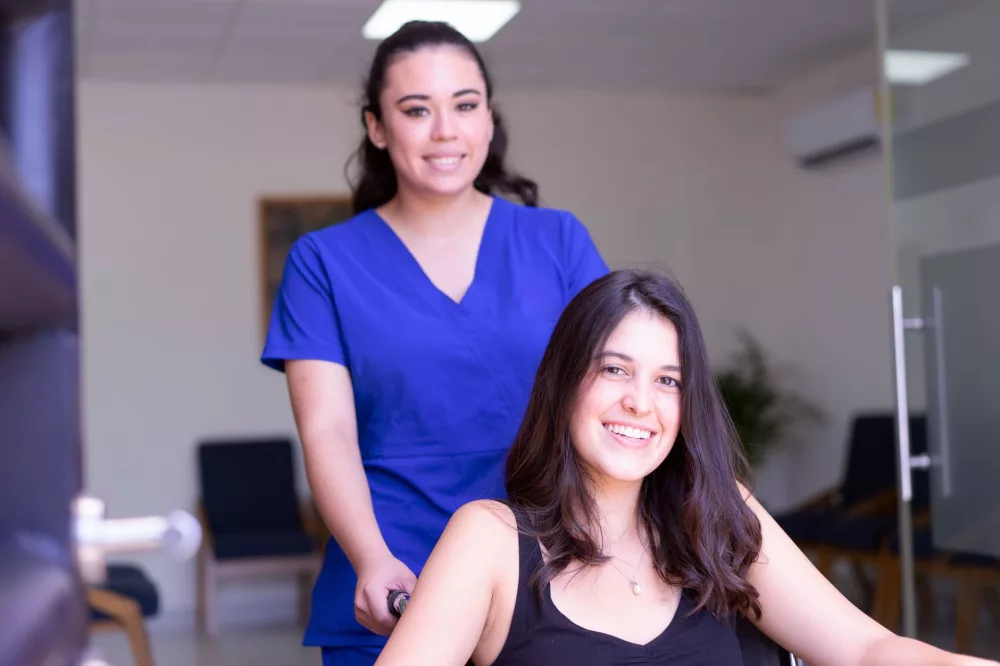
In my professional life, I've had the opportunity to observe many shifts in healthcare delivery, and one development that genuinely stands out is the rise of the women's health pavilion. It's more than just a medical facility; it's a dedicated ecosystem designed around the unique, often complex, health needs of women across their lifespan. I find its emergence to be a powerful acknowledgment that women's health isn't simply a subset of general medicine; rather, it demands a specialized, integrated, and deeply empathetic approach.
Understanding the Holistic Vision of a Women's Health Pavilion
When we talk about a women's health pavilion, we're really discussing a paradigm shift. Gone are the days when women had to navigate a fragmented healthcare system, juggling appointments with a gynecologist, a primary care physician, a cardiologist, and perhaps a mental health specialist, all in different locations. My own observations suggest that this piecemeal approach often leads to missed connections in care, frustration, and, frankly, less optimal health outcomes. A pavilion, on the other hand, strives to centralize these services, creating a cohesive patient journey.
I've seen firsthand how this integrated model can transform the patient experience. Imagine being able to access mammography, bone density scans, gynecological exams, cardiovascular screenings, and even nutritional counseling all under one roof. It reduces logistical hurdles significantly. What's more, it fosters a collaborative environment among healthcare providers, allowing for more comprehensive discussions about a patient's overall well-being. It's a truly powerful concept.
Key Pillars of Comprehensive Care
So, what exactly can one expect to find within the walls of a cutting-edge women's health pavilion? From my vantage point, the offerings are quite expansive:
- Preventive & Primary Care: This is foundational. It encompasses everything from routine physicals and vaccinations to chronic disease management. For women, this includes crucial screenings like Pap tests and mammograms, often available on-site for immediate scheduling.
- Maternity & Reproductive Health: Naturally, this is a core component. Pavilions often house comprehensive prenatal and postnatal care, fertility services, family planning, and menopause management. I've heard countless women express relief at finding such sensitive and critical services readily available.
- Cardiovascular Health: It's a fact that heart disease is the leading cause of death for women, yet its symptoms can manifest differently than in men, often leading to misdiagnosis. A specialized pavilion will emphasize risk assessment, education, and tailored diagnostic and treatment options for women, acknowledging these distinctions.
- Bone Health & Osteoporosis: As women age, bone density becomes a significant concern. Facilities often include dedicated bone density testing (DEXA scans) and specialists focused on prevention and treatment of osteoporosis.
- Mental Wellness Services: This is something I feel strongly about. The intricate connection between mental and physical health simply cannot be ignored, especially for women. Many pavilions provide access to psychologists, counselors, and support groups addressing issues like postpartum depression, anxiety, and stress management. This integration is absolutely vital.
- Oncology Services: With a focus on breast and gynecological cancers, these centers provide screening, diagnostics, and often connect patients to specialized oncology teams, ensuring a seamless care continuum from detection to treatment and survivorship.
- Pelvic Floor Health: An area often overlooked until problems arise, pelvic floor therapy is becoming increasingly recognized for its importance in women's health, addressing issues like incontinence and pelvic pain.
- Nutritional & Lifestyle Counseling: Good health is profoundly influenced by diet and lifestyle. Many pavilions offer access to registered dietitians and health coaches who can provide personalized guidance.
"The women's health pavilion model represents a thoughtful reimagining of patient care, placing the woman at the absolute center of her health journey. It’s an approach that respects her time, her privacy, and her need for expertise tailored to her unique physiology and life stages."
The Patient Experience: Comfort and Empowerment
Beyond the services themselves, I think it's worth highlighting the intentional design of these spaces. My conversations with patients suggest that the atmosphere in a women's health pavilion is deliberately crafted to be less clinical and more inviting. We're talking about comfortable waiting areas, private consultation rooms, and staff who are specifically trained to understand and address the sensitivities often associated with women's health issues. This emphasis on comfort and dignity, I believe, makes a substantial difference in how women engage with their healthcare.
One might also find educational resources, workshops, and support groups readily available. This isn't just about treating illness; it’s about empowering women with knowledge to maintain their health proactively. It's about building a community of well-being, which I consider to be an incredibly powerful aspect of this model.
Technology and Innovation Driving Better Outcomes
Modern women's health pavilions often leverage the latest in medical technology. This includes advanced imaging modalities for earlier detection of cancers and other conditions, minimally invasive surgical options, and innovative diagnostic tools. I've observed that the commitment to staying at the forefront of medical advancements allows these centers to offer the best possible care, often reducing recovery times and improving overall patient comfort. Data integration, too, plays a silent but significant role, ensuring all providers have access to a patient's complete health record, which can prevent redundancies and improve treatment planning.
Looking Ahead: The Future of Women's Health
As I reflect on the trajectory of healthcare, I'm convinced that the women's health pavilion model isn't just a trend; it's an evolution. It's an affirmation of the principle that specialized, coordinated care leads to better results. We're likely to see these centers expand their offerings, perhaps incorporating more integrative medicine approaches or even expanding telemedicine capabilities to reach more women, particularly in underserved areas. It's an exciting time, really, to witness healthcare adapt to meet the specific needs of half the population with such intentionality and dedication. This focus on the whole woman, rather than just isolated symptoms, is what makes these pavilions such a vital part of our healthcare landscape.
About Editorial Team
Senior columnist and culture critic specializing in architectural designs, emerging high-growth systems, and contemporary philosophies.